







Capability is not authorization. Authorization is not admissibility. Admissibility is not execution. Execution is not consequence. Consequence is not reliance.
Arkadiy Miteiko named the structural boundary the AI governance field kept collapsing.
Capability is not authorization. Authorization is not admissibility. Admissibility is not execution. Execution is not consequence. Consequence is not reliance.
A system can be technically capable, procedurally authorized,

InterTaG by Qaori: The Internet of Transformation and Governance
For fifteen years, Rosho Hopp apprenticed in the tradition of European organ building, learning that the most important knowledge in any organization is precisely the knowledge that is hardest to capture.
That experience shaped what he built next: a
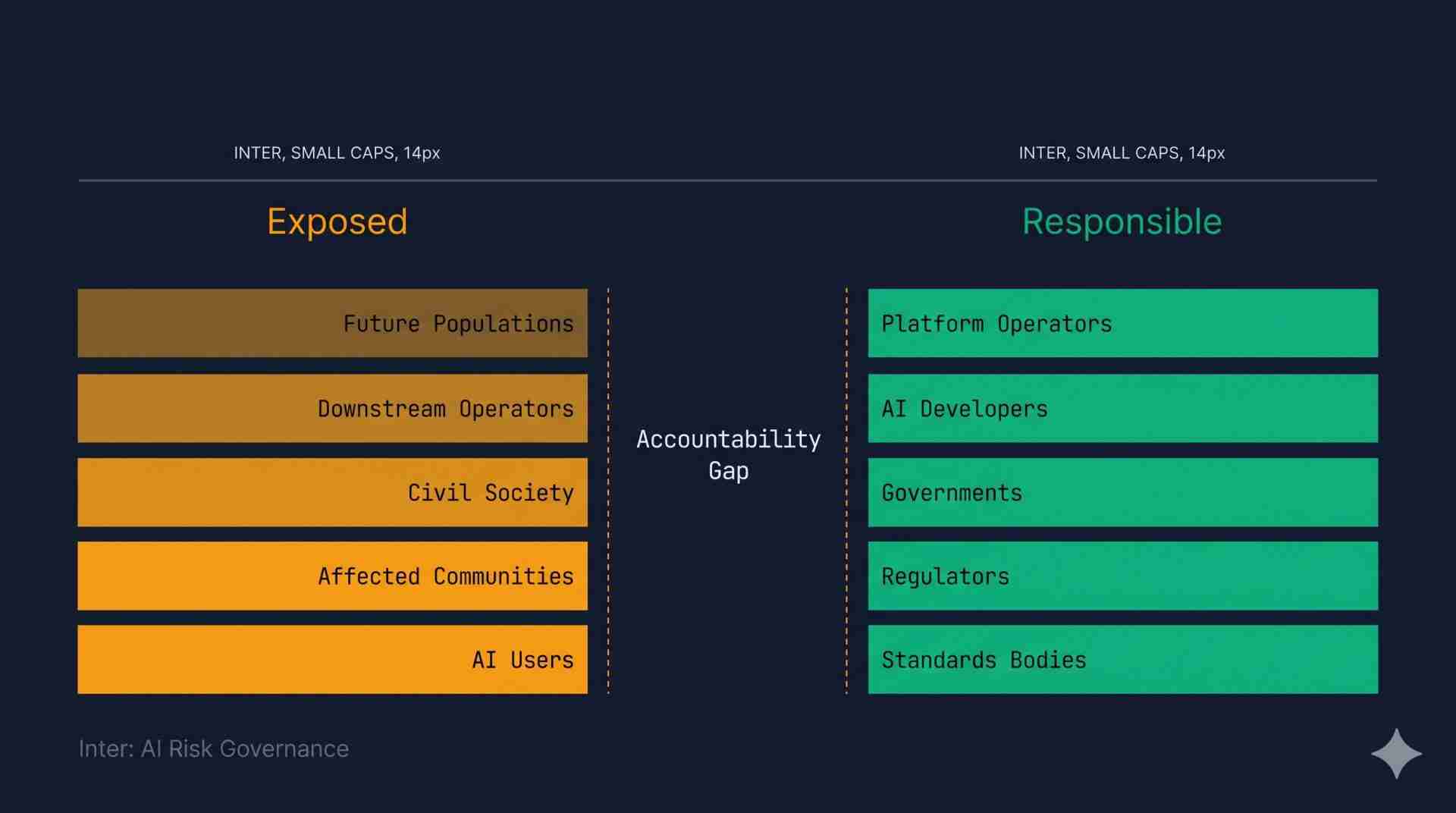
The Accountability Gap in AI Risk Governance
The MIT AI Risk Initiative Delphi study found that 18 of 24 AI risks carry a catastrophic probability of over 10% by 2030.
That number will drive much of the governance documentation.
Documentation is not the response the finding requires.
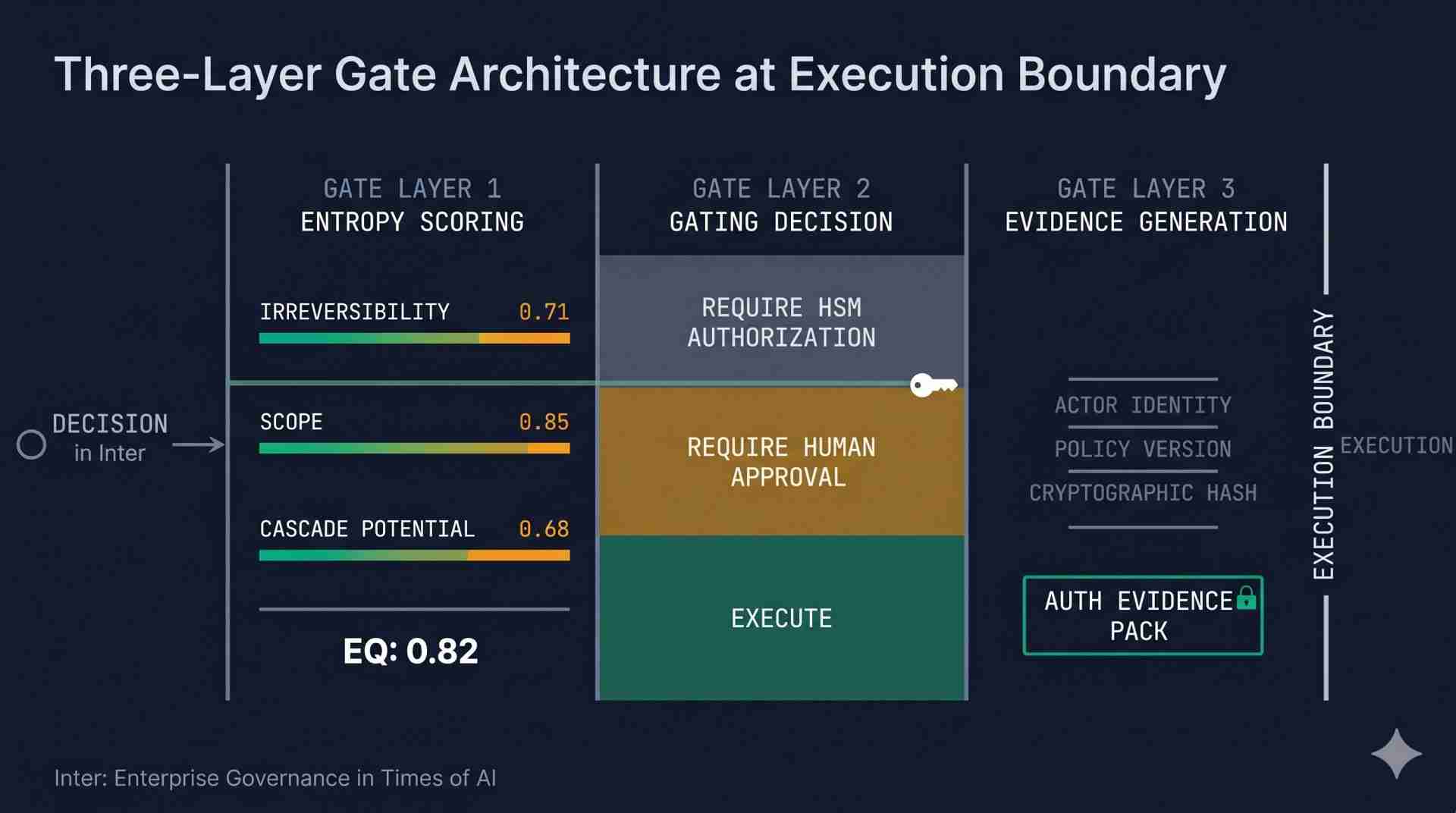
The Execution Boundary: Why the Anti-Terminator Architecture Is an Engineering Decision, Not a Philosophy
Most AI governance frameworks have a design flaw that organizations rarely discuss: they treat human operators and AI agents as separate tracks with separate approval chains. The AI agent goes through an AI governance process. The human sysadmin goes through
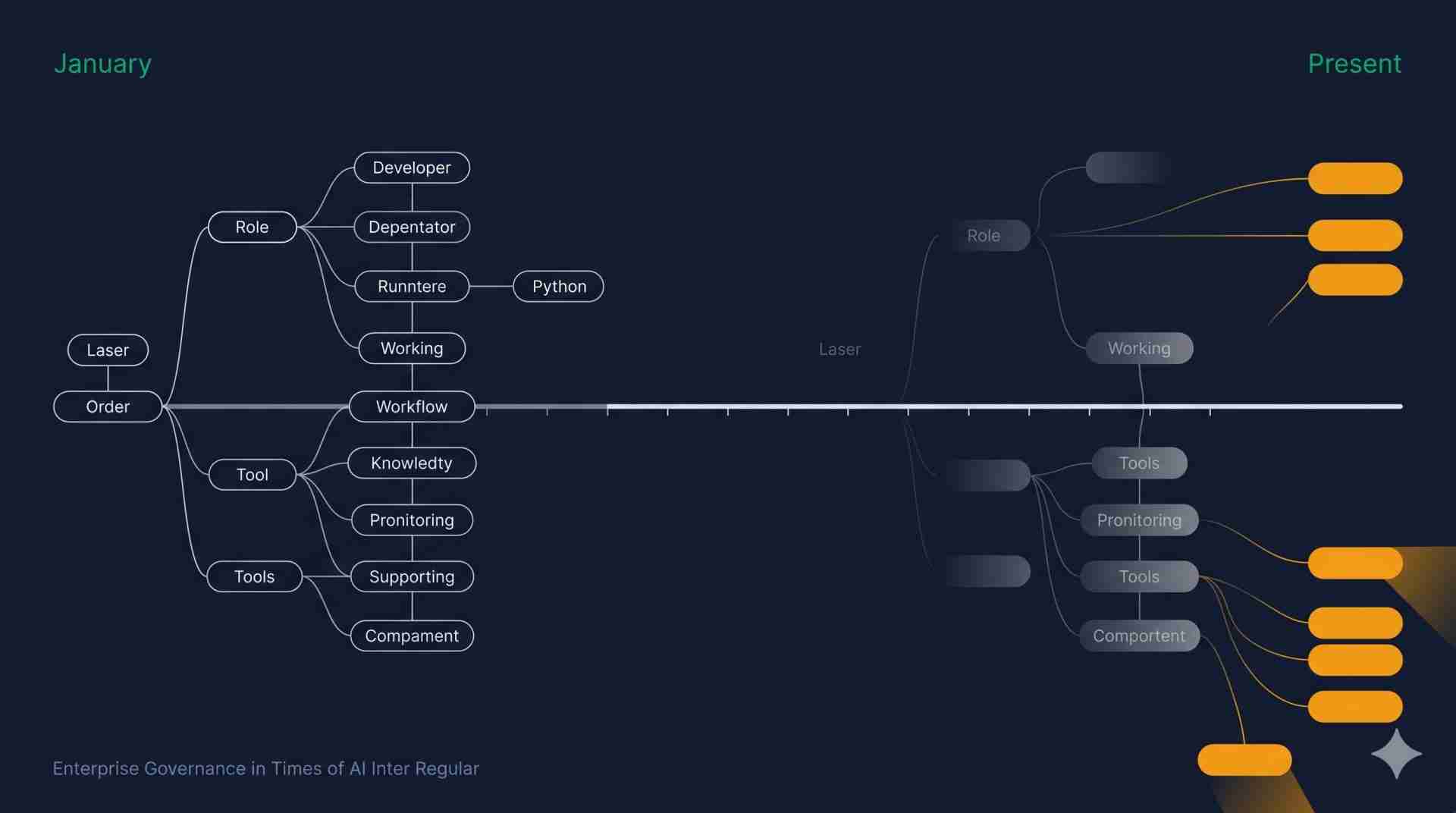
Your Governance Framework Is Accurate. It Just Describes an Organization That No Longer Exists.
Most organizations can answer one governance question with confidence: “Do we have a framework?” The answer is yes. The documentation exists. The audits pass. The reviews happen on schedule.
The question almost no organization can answer honestly is the one
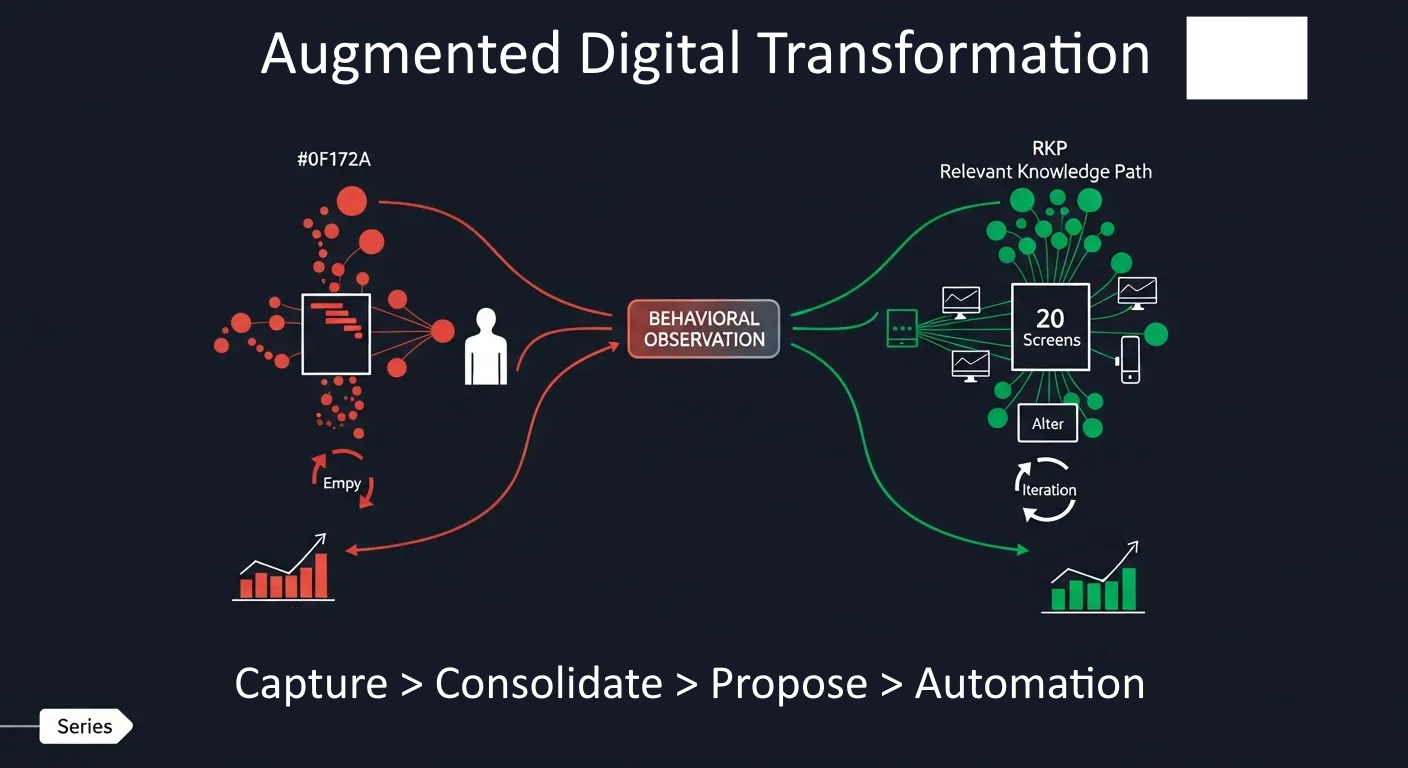
Augmentation or Replacement: The Choice That Will Define Enterprise AI
Meta analyzed workforce behavior to determine whom to fire.
Qaori analyzes workforce behavior to figure out what to build.
These are not the same project.
When you remove the workers whose behavior you analyzed, you also remove the intelligence the
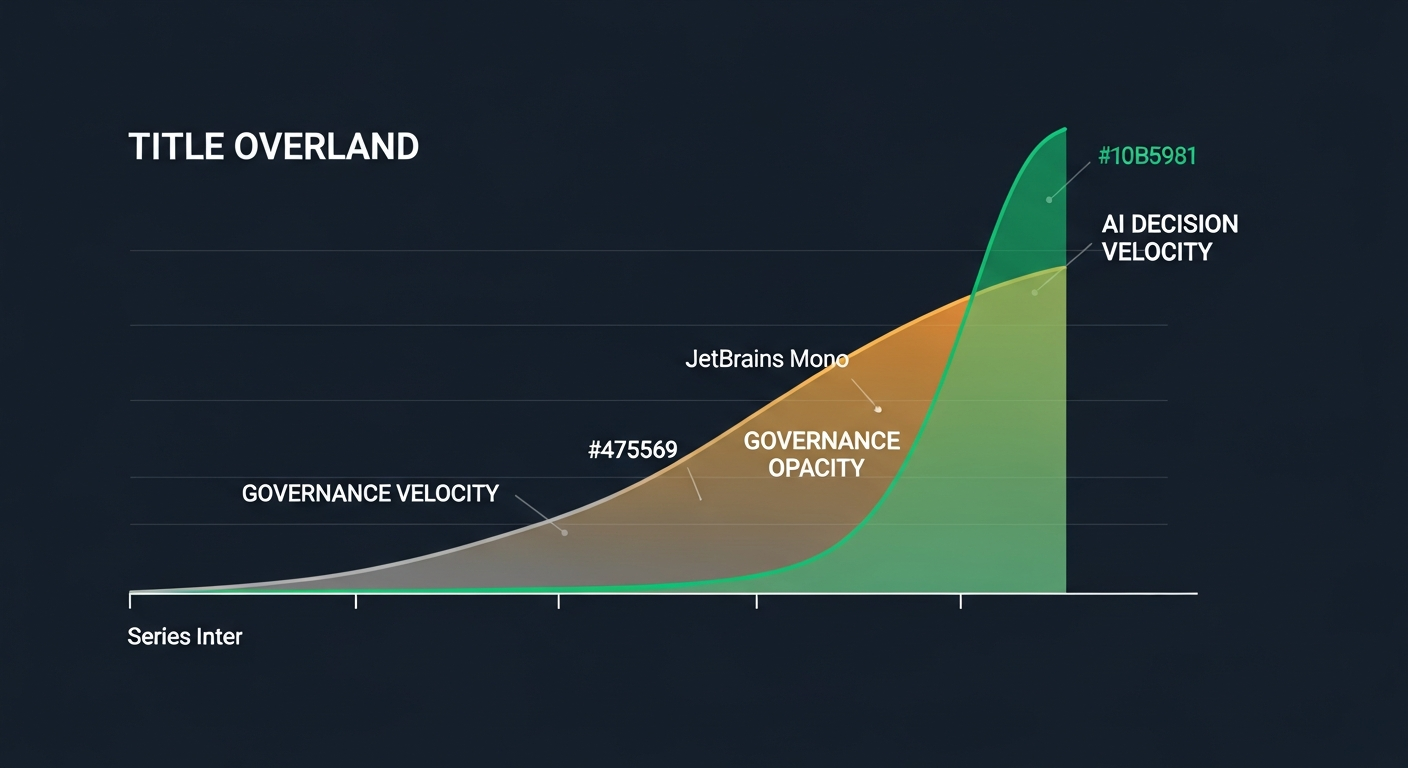
AI Does Not Break Governance. It Accelerates the Break.
A financial AI agent executed 1,500 account interest rate adjustments in 2.3 seconds.
The compliance team sampled 10 percent of decisions that day. They reviewed 9.
The governance framework was functioning correctly. The oversight requirements were met. And 1,491 consequential

Entropy: The Fourth Law of Universal Tebiki
The first three laws of Universal Tebiki describe a system in a declared state.
The fourth law begins with a fact about that declared state: it will not remain stable.
Not because the governance framework is poorly designed. Not because

Constraints: The Third Law of Universal Tebiki
The difference between a governance framework and a governance infrastructure is enforcement.
A rule describes what should happen.
A constraint defines what cannot happen, and what the deterministic consequence is when it does.
Most governance frameworks are full of

Values: The Second Law of Universal Tebiki
Most organizations confuse values with aspirations.
“We value innovation.” “We value integrity.”
These are not Values in a governance sense. They are slogans. They resolve nothing when there is genuine tension between competing priorities. A rule system cannot cover every

Purpose: The First Law of Universal Tebiki
The most common governance failure is not rule violation.
It is scope drift.
An actor begins operating in domains it was never authorized for. It happens gradually. Every unchallenged action expands the implicit scope. The governance structure discovers the gap
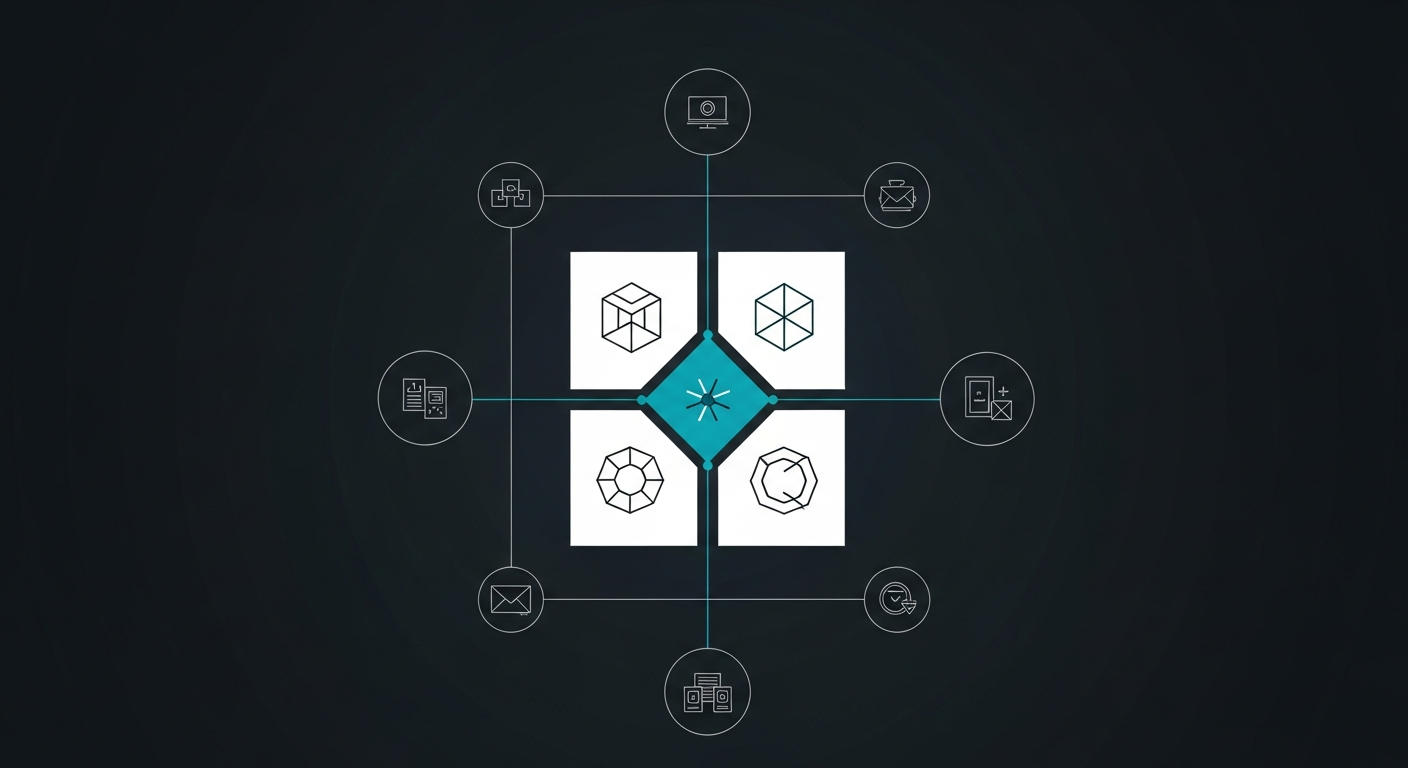
Universal Tebiki: One Framework for Every Actor in Every System
In Japanese, “tebiki” means a guide. Leading by the hand.
I built Universal Tebiki because I could not find a governance framework that applied equally to human actors and machine actors in the same system.
There are AI governance frameworks.
Augmentation or Replacement: The Choice That Will Define Enterprise AI
Meta analyzed workforce behavior to determine whom to fire.
Qaori analyzes workforce behavior to figure out what to build.
These are not the same project.
When you remove the workers whose behavior you analyzed, you also remove the intelligence the
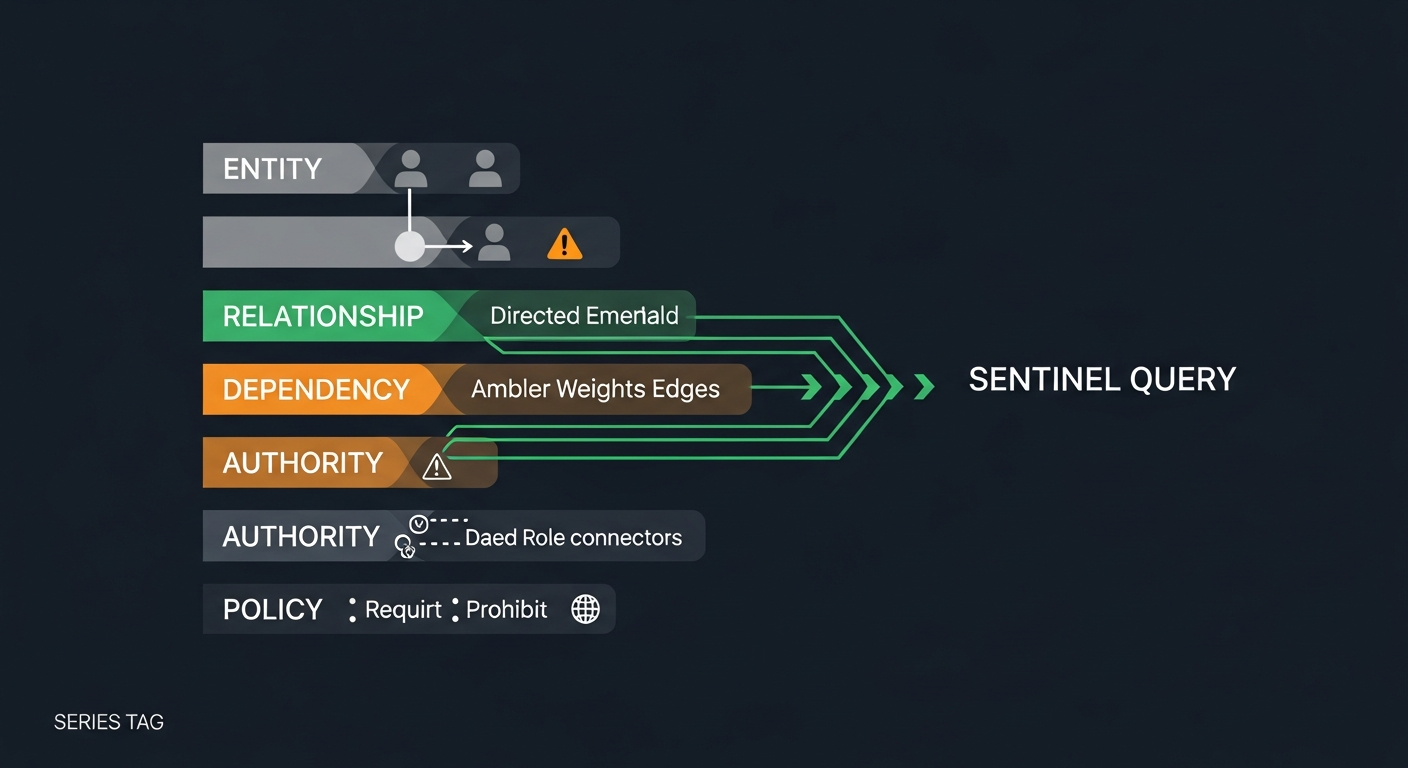
The Entropositive Ontology: A Query Infrastructure, Not a Document
Most organizations building AI governance assume the ontology is documentation. A knowledge graph. A service catalog. Something humans read and update when the spirit moves them.
That assumption produces the wrong system.
The Entropositive Ontology is not built for humans
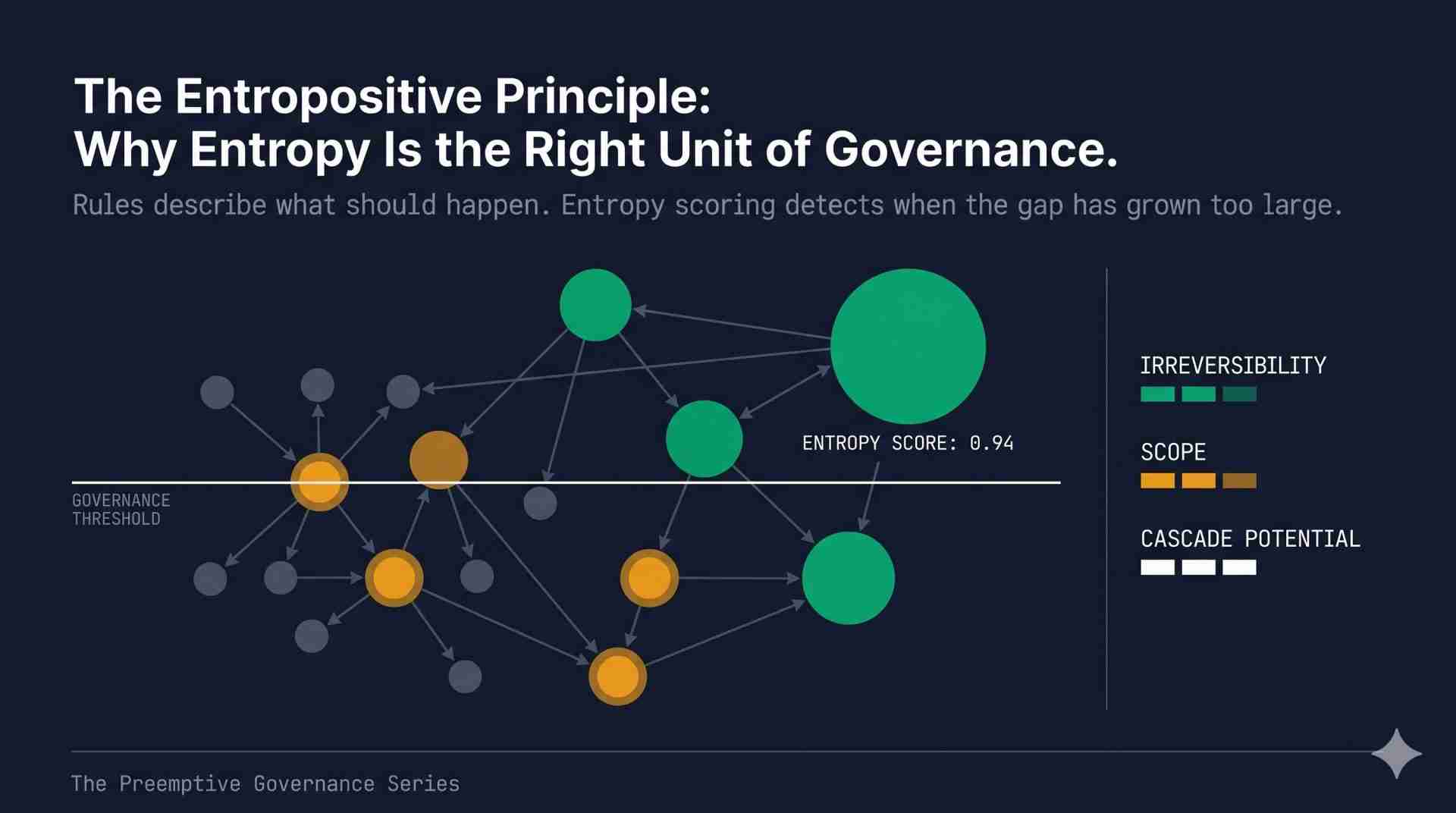
The Entropositive Principle: Why Entropy Is the Right Unit of Governance
Most governance frameworks ask whether a rule was followed. The Entropositive principle asks a prior question: does this decision increase systemic entropy beyond a recoverable threshold? The answers are not the same question. In 1865, Rudolf Clausius gave physics a

The Governance Layer That Operates Before the Decision, Not After It
Governance frameworks have historically been written at the policy layer: principles, codes of conduct, documentation requirements. They sit above the systems they are meant to govern and rely on human review happening sometime after a decision has already moved downstream.
Why “Connectiveness” Matters in Our Time
Connectiveness is the new metric of success in a decentralized world Human systems, both natural and engineered, live and die by the quality of their relationships. From ecological networks that maintain life on Earth to the economic, social, and technological

The Funding Machine Is Financing the Wrong Future
$83 billion in AI funding in six months.
95% of corporate AI projects producing no measurable profit.
This is not a technology wave. It is a fashion cycle with better branding.
The conventional diagnosis is time horizon. More patient capital.
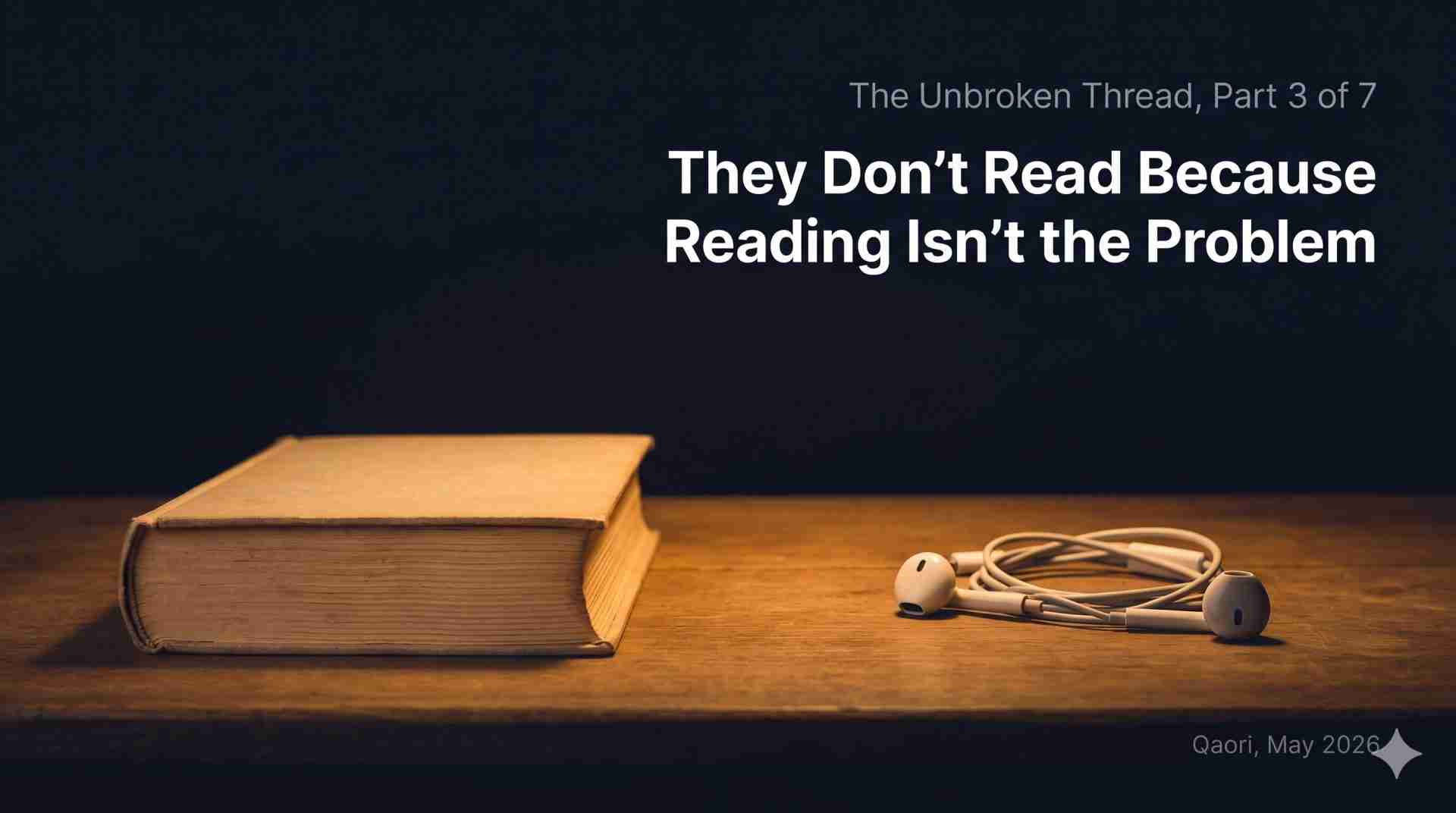
They Don’t Read Because Reading Isn’t the Problem
The fifteen-year-old who watches three-hour YouTube essays but can’t finish two paragraphs of text is not broken.
The format is.
She has watched three hours of close argument on a complex historical subject. Primary sources. Counter-arguments. A sustained analytical framework.
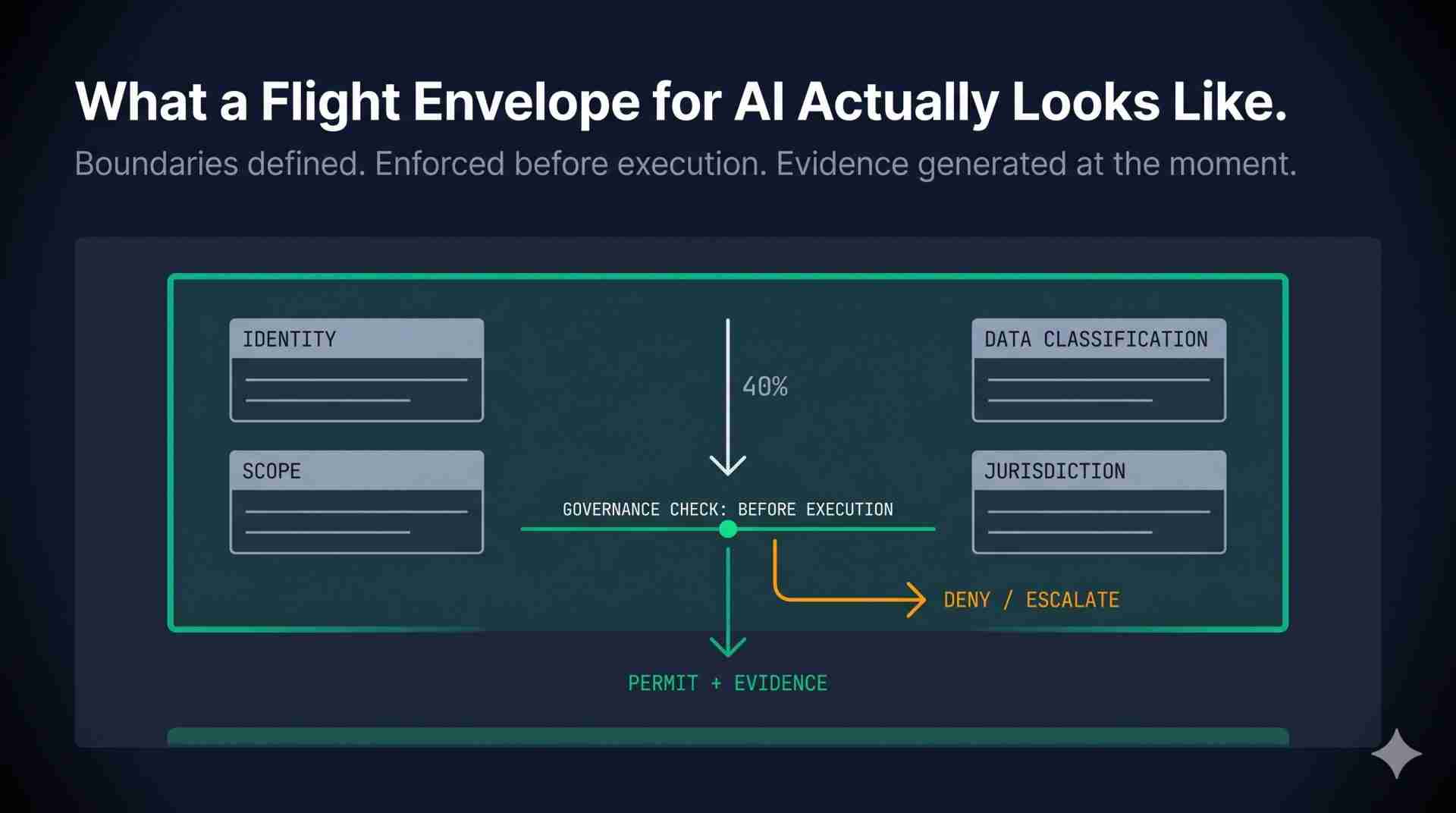
What a Flight Envelope for AI Actually Looks Like
Every AI agent operating in your enterprise has an intended operating envelope. The question is whether that envelope is enforced before the agent acts, or recorded after it already has.
The flight envelope in aerospace defines the boundaries within which
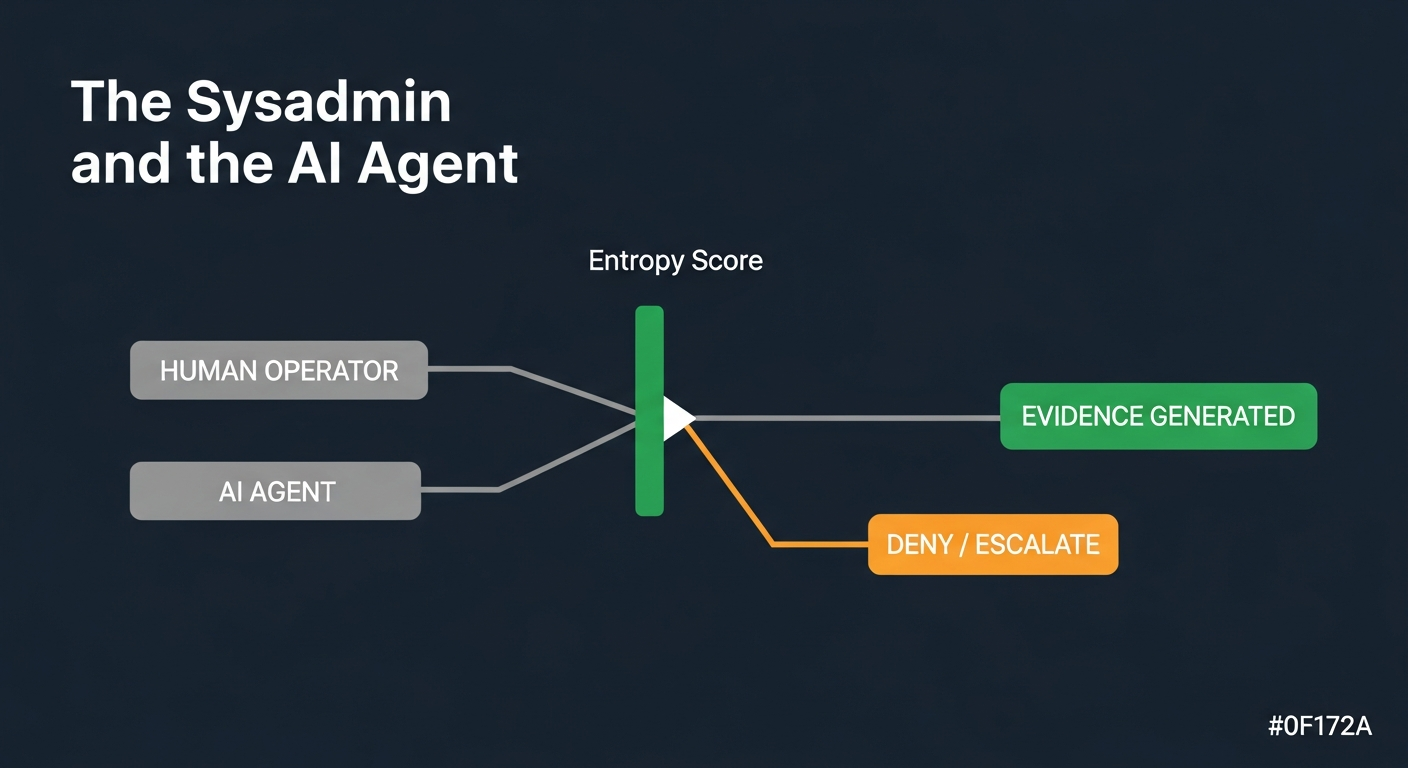
The Sysadmin and the AI Agent: Why the Same Gate Must Fire for Both
The governance gap between AI agent actions and human operator actions is not a nuance. It is an exploitation surface. Any governance framework that treats human and AI decision-makers differently creates a path by which high-entropy actions can be executed
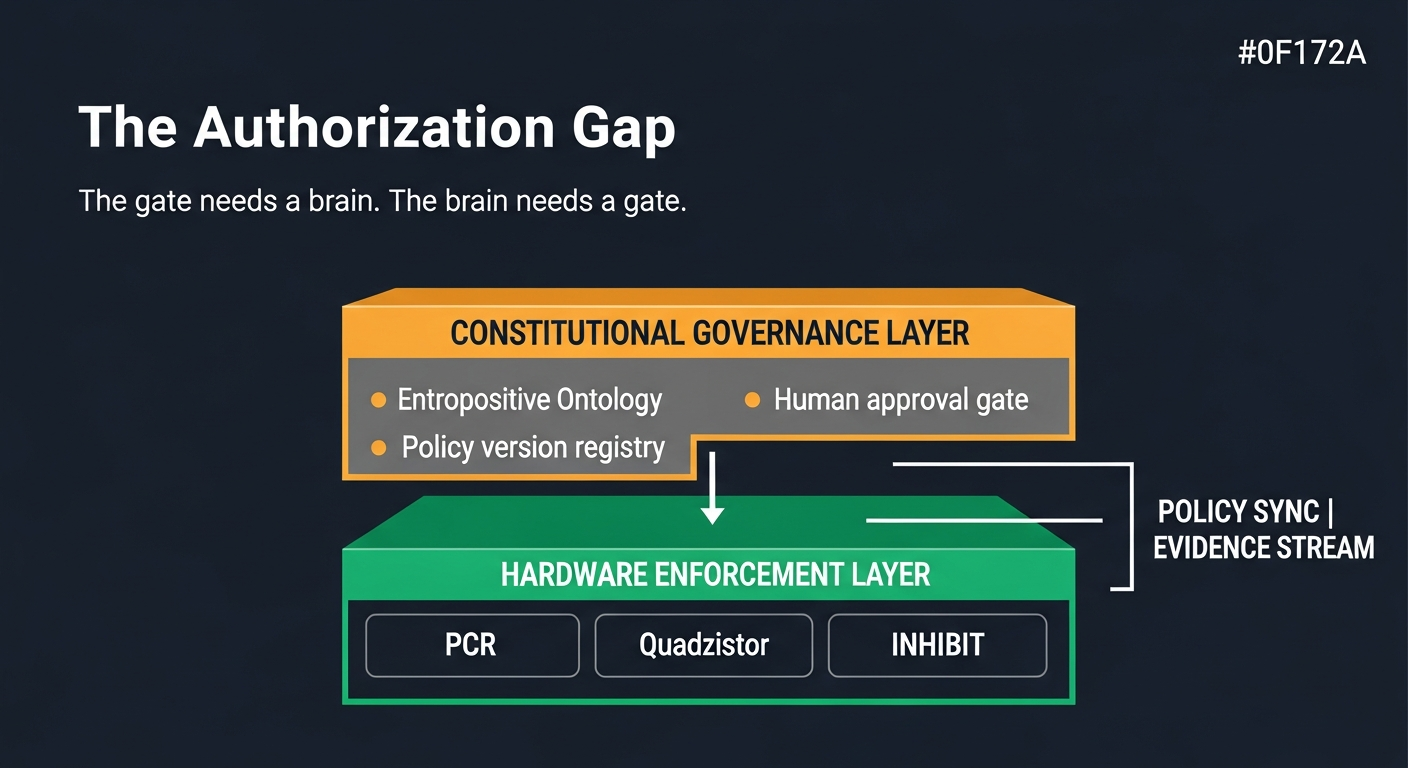
The Authorization Gap: Where Hardware Enforcement Meets Constitutional Governance
David Reichwein’s Authorization Gap framework correctly identifies the structural void between AI decision and physical execution. Closing that gap with hardware enforcement is necessary. It is not sufficient. The gate needs a brain. There is a question that sits at
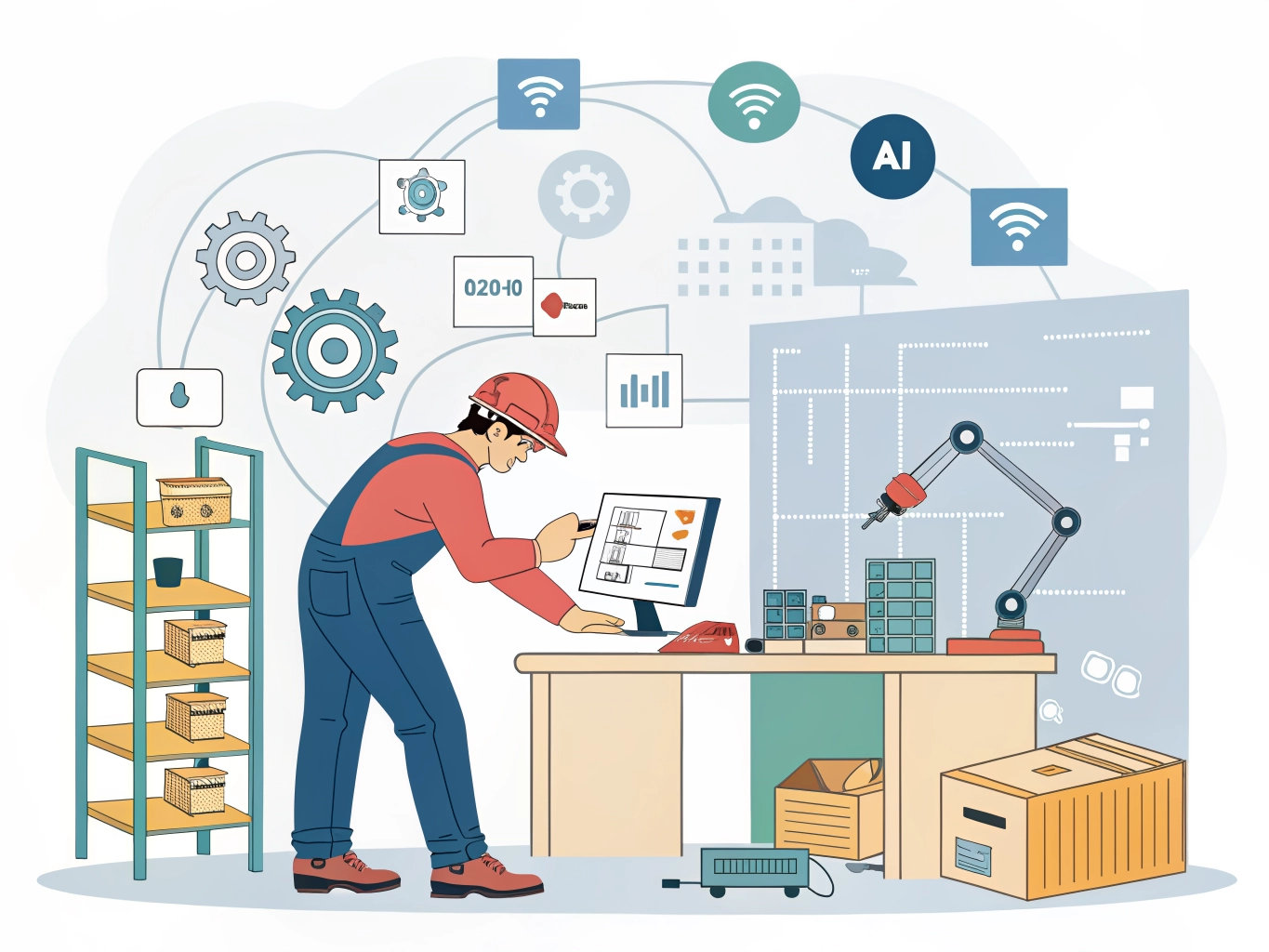
The LLM Is Not the Problem. The Absence of Engineering Discipline Is.
The failure of undisciplined AI deployment mirrors the offshore development disasters of the 2000s. One million lines of production code later, QAPAF proves that the toy becomes a tool the moment you apply the discipline of a craftsman. The debate
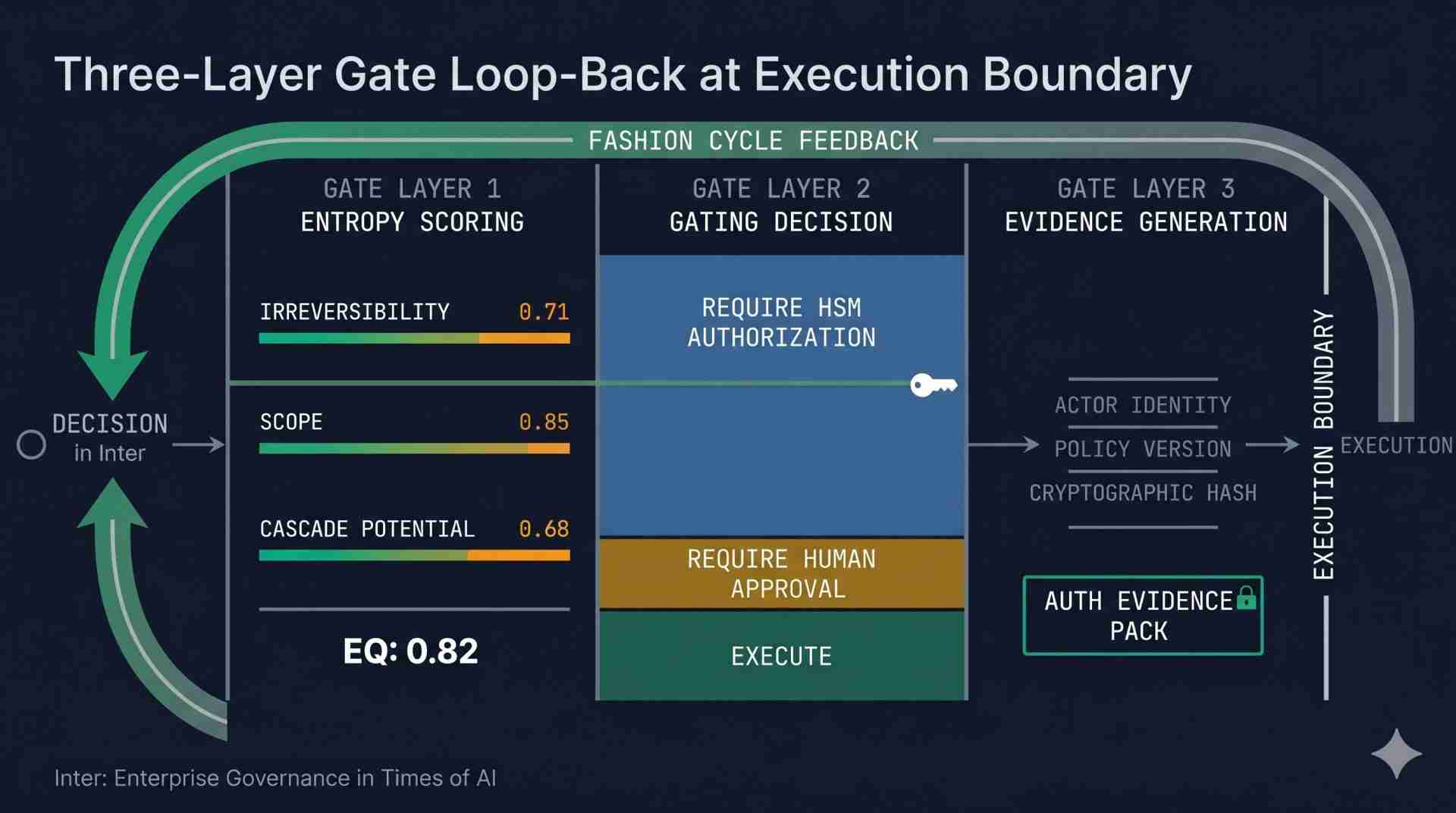
The Funding Machine Is Financing the Wrong Future
$83 billion in AI funding in six months.
95% of corporate AI projects producing no measurable profit.
This is not a technology wave. It is a fashion cycle with better branding.
The conventional diagnosis is time horizon. More patient capital.

The Governance Question Nobody Is Asking
In an era where AI governance is becoming a pressing concern, boards are facing a pivotal question: “Show me your AI governance.” Organizations like Qaori are redefining the landscape by embedding governance into their very architecture, rather than retrofitting it

Qaori Anonymous ID: Janus
Japan has one of the lowest whistleblower disclosure rates in the developed world, not due to a lack of wrongdoing, but because of a cultural suppression of confrontation. The Janus Identity Bridge offers a revolutionary solution, allowing verified individuals to

Two Faces, One Truth: Why Whistleblowers Need a Roman God
In a world where whistleblowers face the daunting challenge of anonymity versus accountability, the Janus Identity Bridge emerges as a revolutionary solution. This innovative platform simultaneously verifies the identity of the whistleblower while ensuring their anonymity, creating a secure channel

The Layer No Regulator Can See
Brian Burke published a piece this week that named, with unusual precision, the part of AI risk that no current framework governs.
He calls it the AI Decision Influence Layer.
The argument is exact. NIST AI RMF, ISO 42001, and

We are the Brain Company.
Last week, Y Combinator named “Company Brain” one of their number one categories for their 2026 cohort. Their thesis: every company in the world will need a primitive that turns its own artifacts, Slack threads, support tickets, email, databases, code,

The Leaders Who Feel the Gap
The leaders who feel most uneasy about AI adoption are often the most thoughtful ones. They moved carefully, asked the right questions, and discovered that the tools available to them were not designed to answer those questions at scale.
This

The Factory Has a Front Door. And the Front Door Has Rules.
The moat in autonomous software development is not the model. It is the system around the model.
We recently completed a significant upgrade to QAPAF, one that changes what every agent in the factory reads before it does anything else.

Gates Catch Defects. The Behavioral Layer Prevents Them.
Gates catch defects. The behavioral layer prevents them. In our journey with QAPAF, the Qaori Autonomous Software Factory, we’ve discovered that simply identifying flaws isn’t enough. Every defect that slips through is a costly reminder of incomplete context and poor
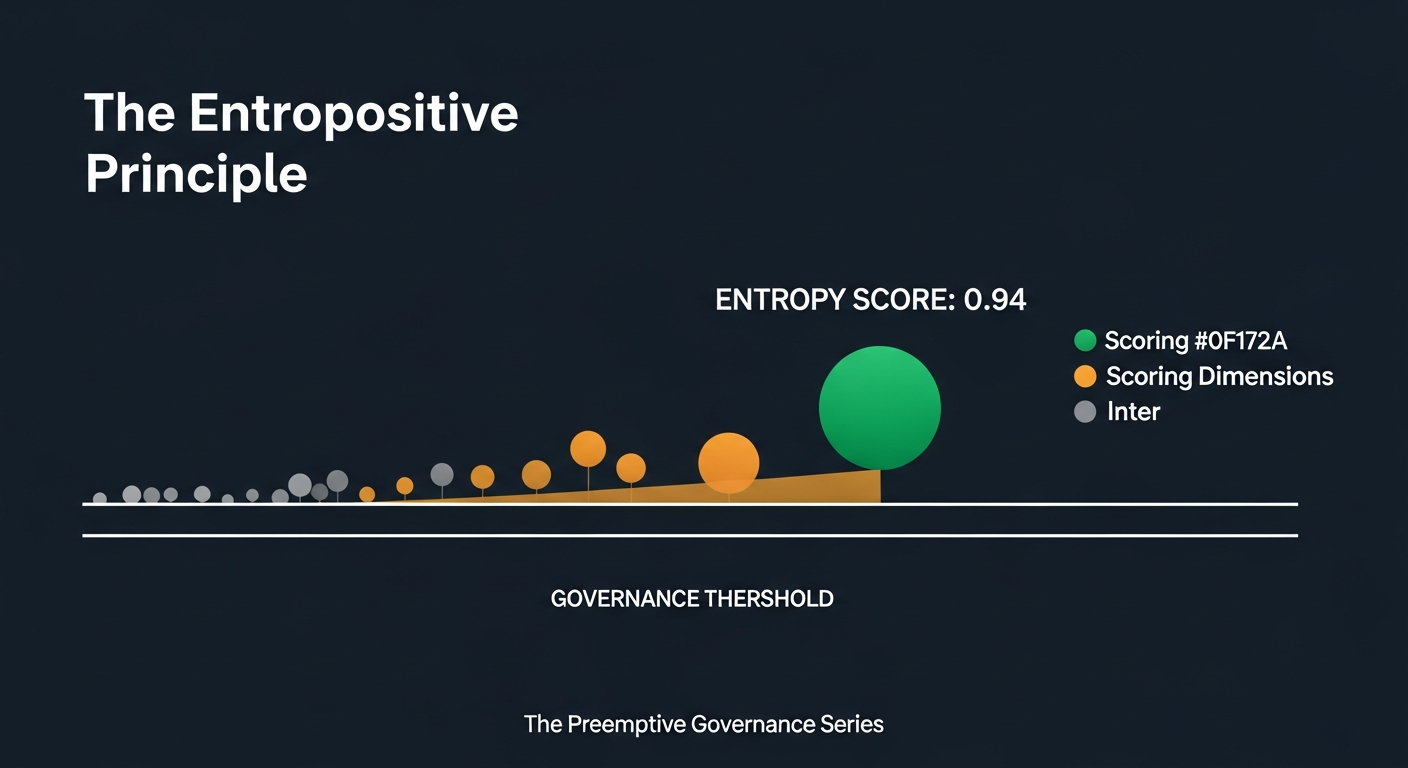
The Entropositive Principle: Why Entropy Is the Right Unit of Governance
Most governance frameworks ask whether a rule was followed. The Entropositive principle asks a prior question: does this decision increase systemic entropy beyond a recoverable threshold? The answers are not the same question. In 1865, Rudolf Clausius gave physics a
We Built for Compliance Before the Market Asked For It. Here Is What We Learned.
The EU AI Act enforcement deadline is August 2026. Many organizations are now discovering that compliance is not a feature layer: it is a substrate. Qaori built for it from the start. This is what that looks like from the
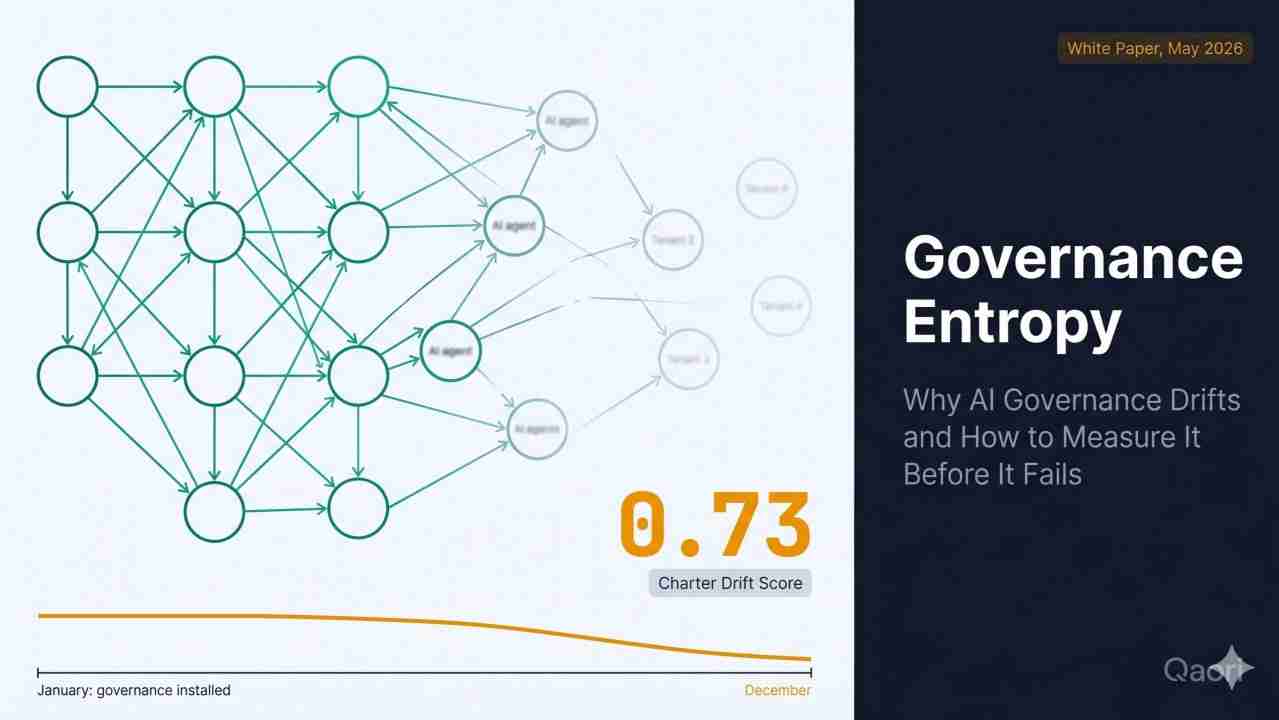
Your AI Governance Is Drifting
Is your AI governance framework still accurate, or has it drifted into obsolescence? As organizations evolve, their governance structures often lag behind, creating a hidden gap known as the Shadow Ledger. This article explores the inevitable decay of governance and
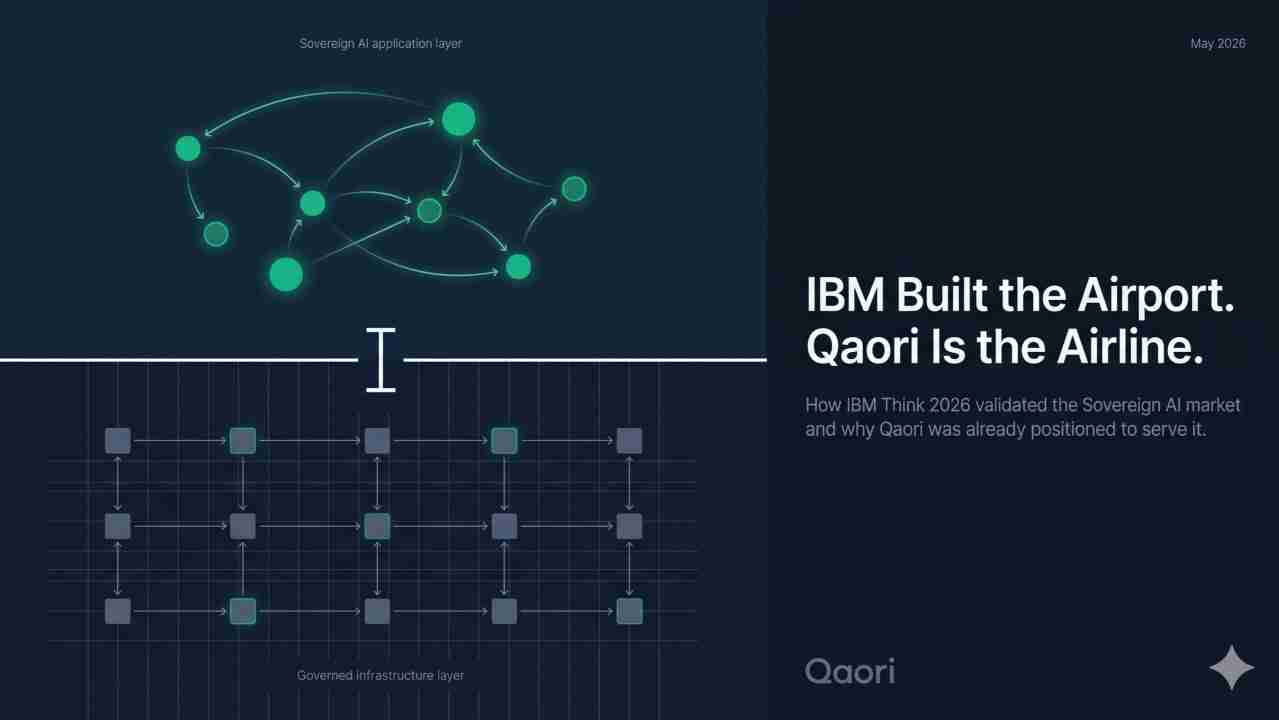
IBM Just Rang the Bell for Sovereign AI. Qaori Already Answered.
When IBM announced the general availability of Sovereign Core at Think 2026, it marked a pivotal moment for the Sovereign AI category. This infrastructure is essential, but it’s only the beginning. Qaori is poised to fill the critical gap, delivering
We are running 19th-century operating systems on 21st-century hardware.
We are running 19th-century operating systems on 21st-century hardware. Every institution failing right now – governments, companies, hospitals – shares the same root cause: the architecture for making decisions was designed for a different world. Problems do not wait for
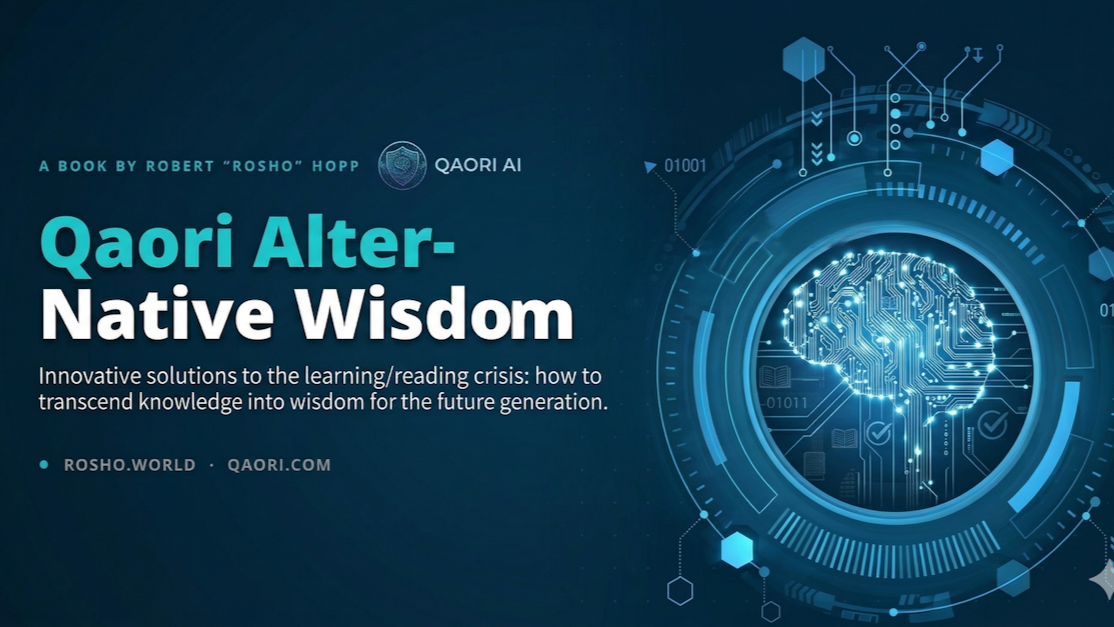
The Rosho Qaori Story
In a world overflowing with information, how do we cultivate true wisdom? Robert “Rosho” Hopp, founder of Qaori, invites you on a journey from organ builder to Zen practitioner, revealing how his diverse experiences shaped a revolutionary approach to knowledge.

The Real Reason I Built Qaori
For months, I talked about Qaori the wrong way, focusing on enterprise AI governance and fragmented tool ecosystems. But when our branding coach asked me why I actually built this, I paused and realized the truth: I built a sanctuary.
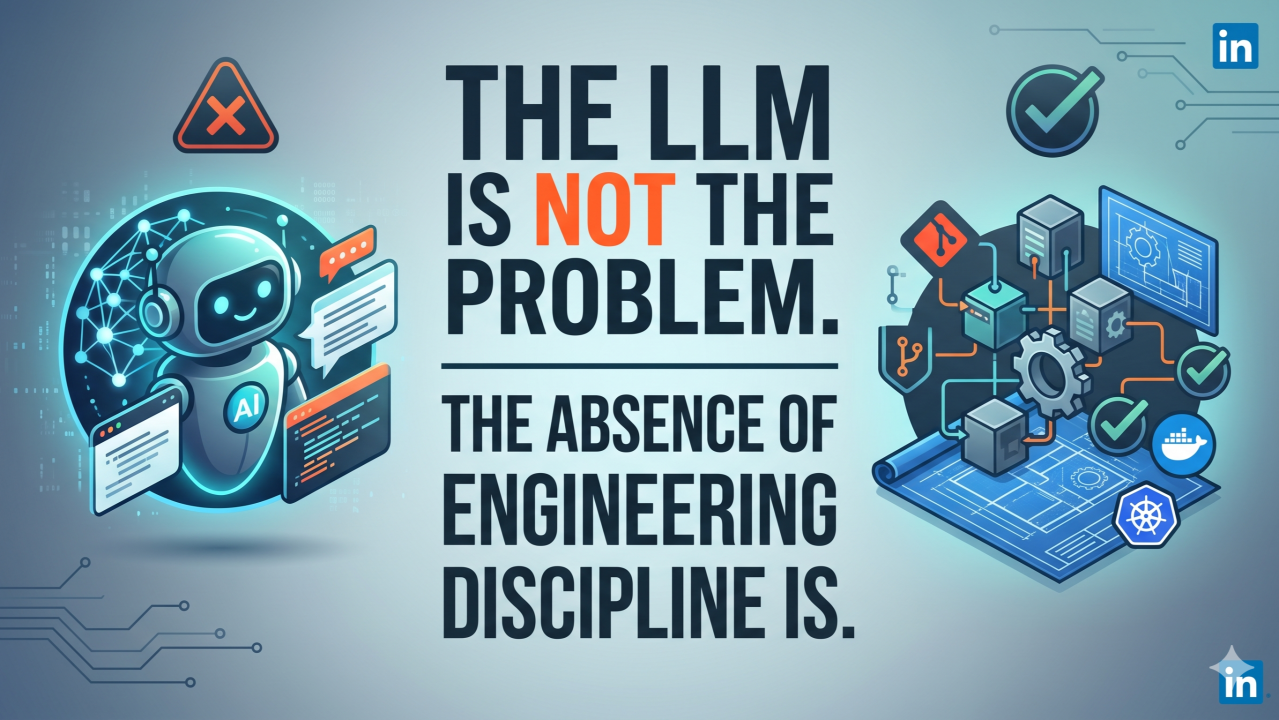
The LLM Is Not the Problem. The Absence of Engineering Discipline Is.
The debate over whether large language models (LLMs) are “toys” or “tools” misses the mark. The real issue lies in the absence of engineering discipline in their deployment. With over four decades of experience in product development, I’ve witnessed the
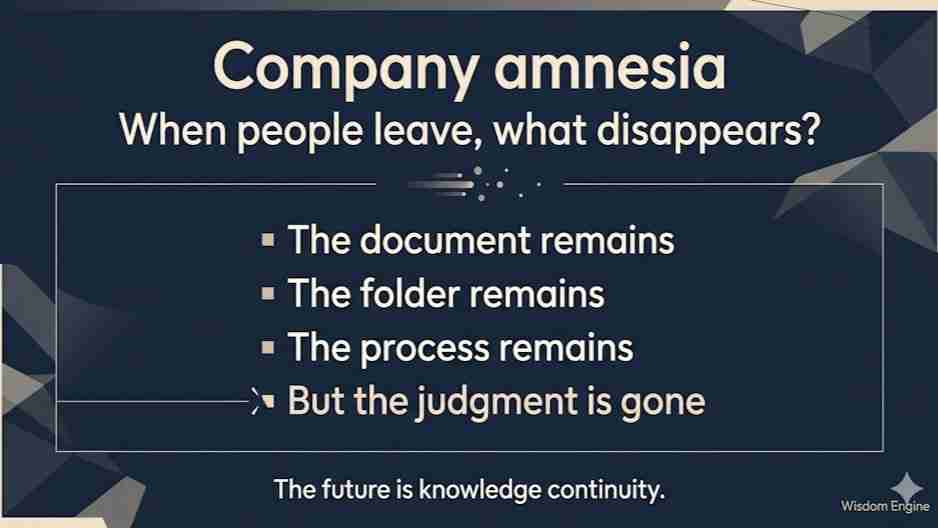
The HR Problem Nobody Puts on the Risk Register: Company Amnesia
By Rosho, Founder, Qaori, the Brain Company in Japan. Building Sovereign Company Brains for the baby-boomers 団塊世代 succession wave. GDPRS/APPI-compliant. April 26, 2026 Every organization has someone like this. The person who knows why a particular process works the way
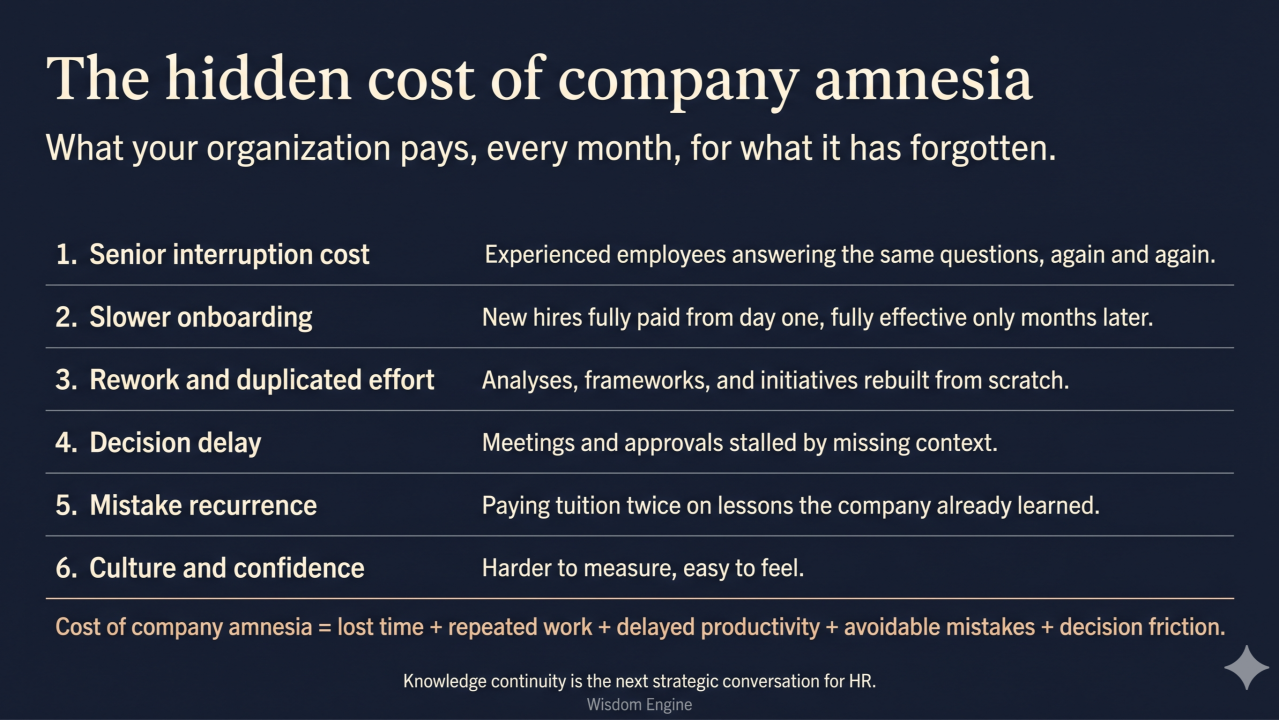
How Much Does Company Amnesia Really Cost?
By Rosho, Founder, Qaori, the Brain Company in Japan. Building Sovereign Company Brains for the baby-boomers 団塊世代 succession wave. GDPRS/APPI-compliant. April 28, 2026 Most HR teams can quote the cost of hiring a new employee with surprising precision. They know
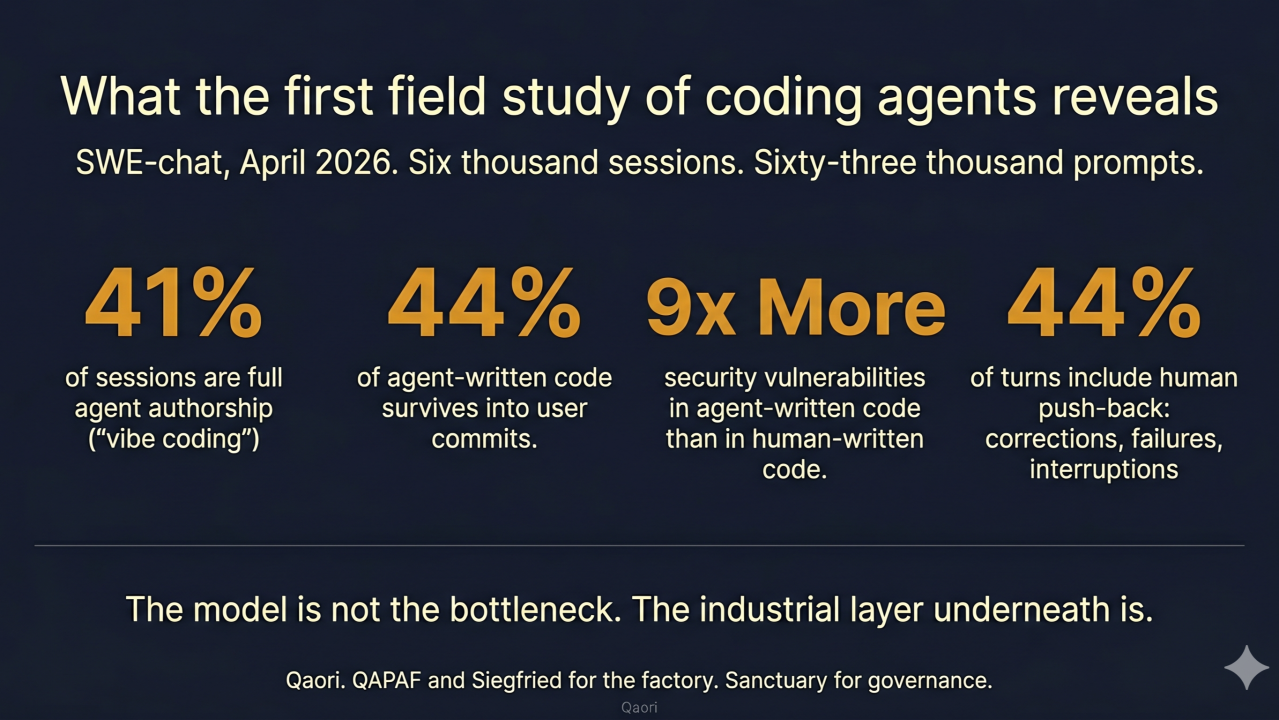
What the first large field study of coding agents tells us about the next industrial layer of software
By Rosho, Founder, Qaori, the Brain Company in Japan. Building Sovereign Company Brains for the baby-boomers 団塊世代 succession wave. GDPRS/APPI-compliant. April 29, 2026 A new dataset called SWE-chat, released this month by researchers from Stanford, NYU, Princeton, and Anthropic, is
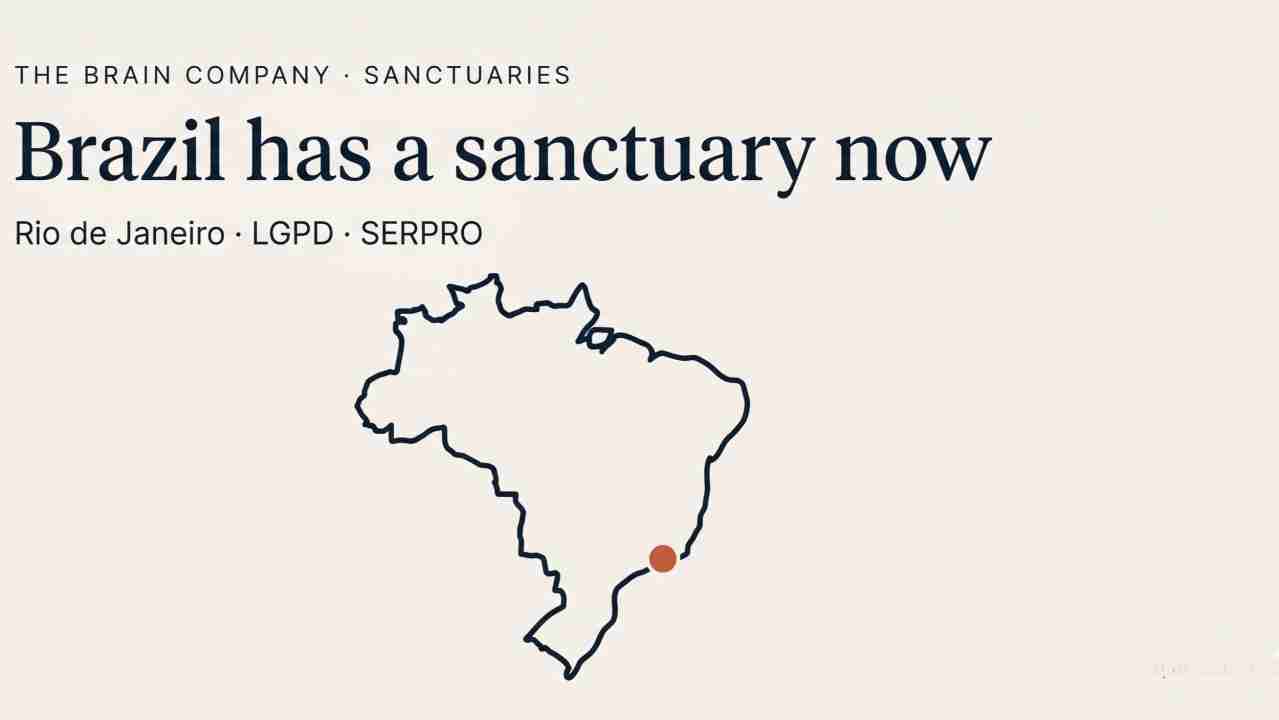
Brazil Deserves its Sanctuary. The Brain Company Qaori is Building it.
When we say sovereign by design, we refer to architecture, not marketing. Qaori is committing to Brazil in a concrete and innovative way. With a Brazilian subsidiary, local infrastructure, and an exclusive partnership with SERPRO, we are ready to transform
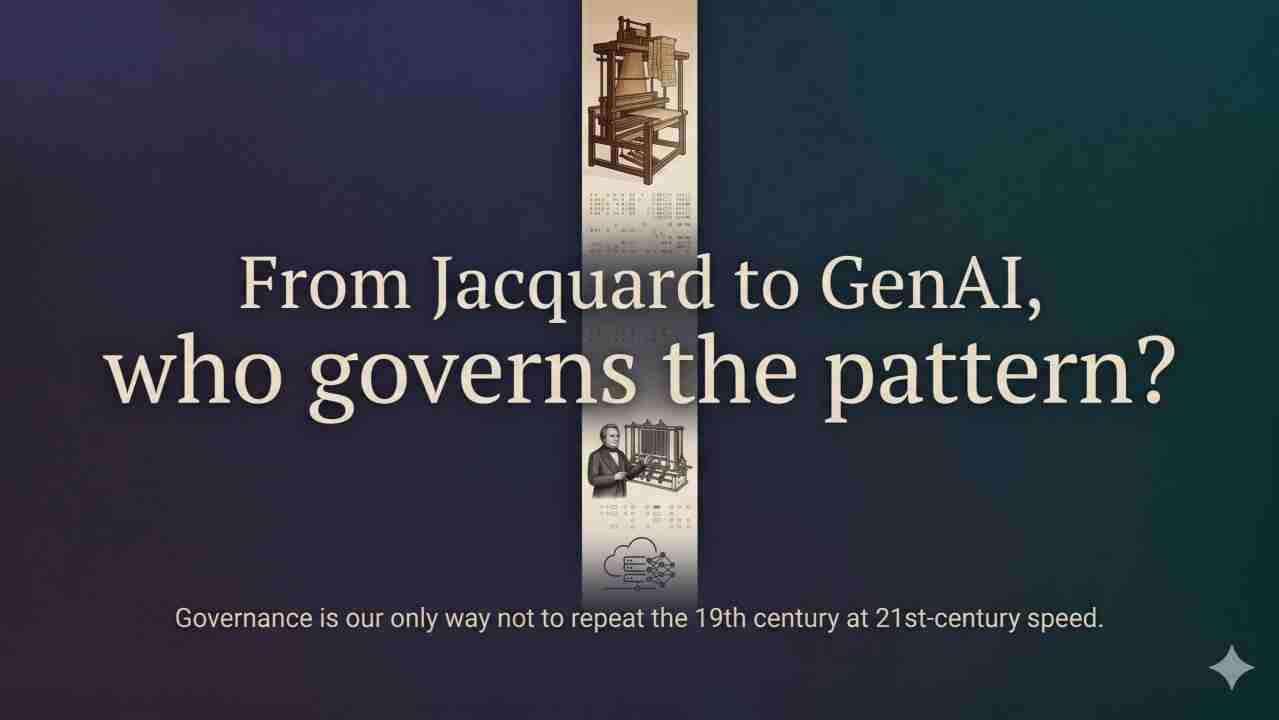
Jacquard → Canuts → Babbage → GenAI → Governance (Why We Keep Repeating the Same Story)
In 1805, Joseph-Marie Jacquard revolutionized weaving by turning it into a programmable activity, shifting power from master weavers to designers and merchants. This transformation sparked the Canut weavers’ revolts, highlighting the governance failures behind technological advancements. Today, generative AI represents

I am a Guilded Master Organ Builder. I crossed into AI to save the Crafts.
By Rosho, Founder, Qaori, the Brain Company in Japan. Building Sovereign Company Brains for the baby-boomers 団塊世代 succession wave. GDPRS/APPI-compliant. May 4, 2026 A position written from inside 30 years at the workbench, and from inside the platform I built

How a Sovereign Brain Actually Preserves Wisdom. Seven Mechanisms, one Substrate.
In a world where invaluable wisdom is walking out the door-retiring senior managers, master craftsmen, and family elders-Qaori is pioneering a solution. Our platform captures knowledge through engaging conversations, transforming it into a living, structured resource that can be accessed